Gracia bomb shelters from la Guerra Civil
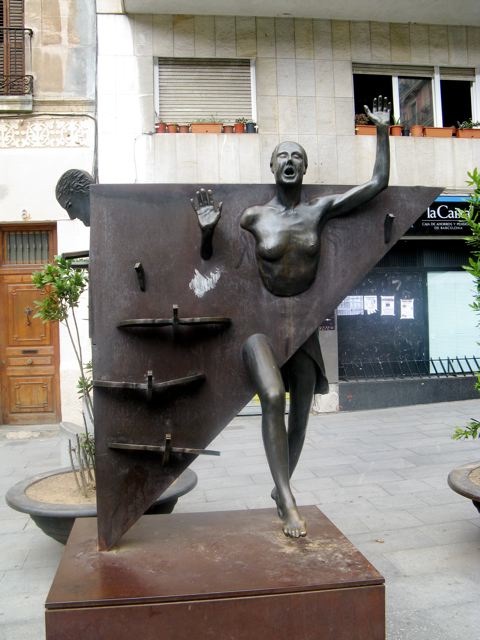
MONUMENT ON PLAÇA DIAMANTE TODAY
I am speaking enough Catalan to get by and read it fluently. I like to watch the TV3 Càtalan channel and I also read the local news. I noticed an article about ” Refugi Antiaeri de la Plaça del Diamant en Gracia” (aerial bomb shelters of Plaça Diamant in Gracia) with some poorly lit photos, much like these:
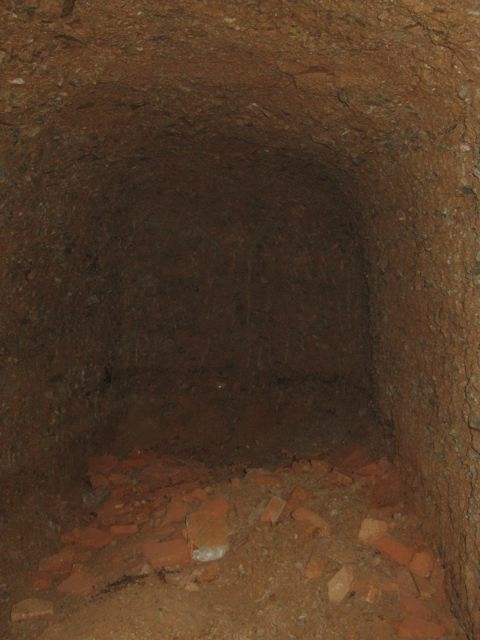
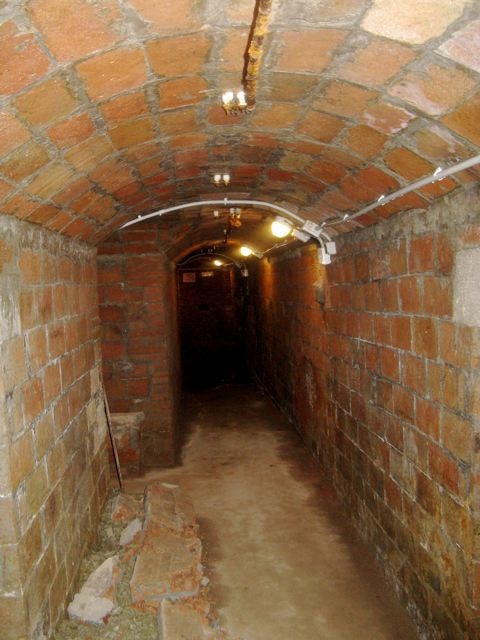
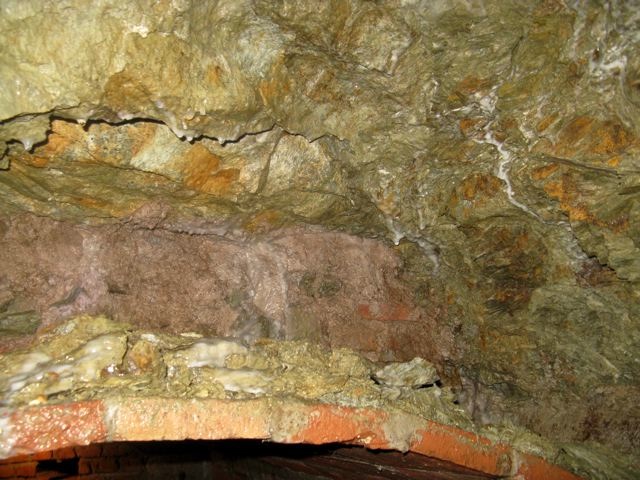
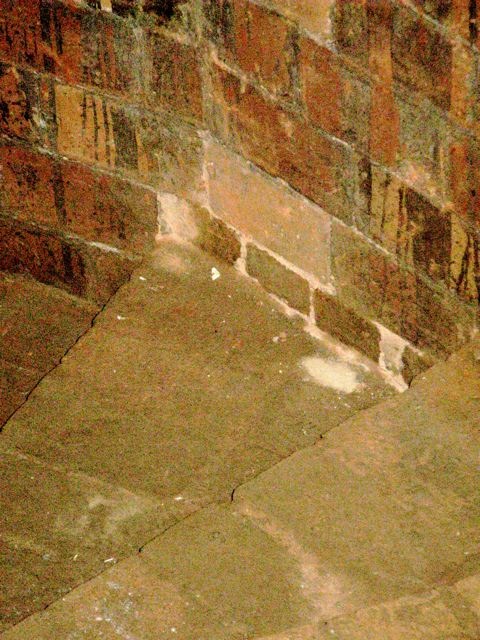
The article provided a number to call to make an appointment for a tour. It took all my courage, but I was intrigued enough to dial and converse with a lady who only speaks Catalan but understands Castiliano. It went well. She gave us a booking time and date on Saturday morning in three weeks. She warned me that the tour would be in Catalan, but I assured here this was fine, that we lived nearby and were curious to see these underground shelters, which were constructed during the Guerra Civil (Civil War).
We met at the designated spot at Plaça Diamant, along with a handful of Catalans who were equally curious. I learned a lot, even though the tour was in Catalan. Barcelona was the first city systematically bombed in battles and the first major city to be bombed by air. During the Spanish civil war when Germany and Italy were funding the Spanish facista rebels Hitler decided to use Barcelona to practice and develop what later became known as the blitzkrieg.
Barcelona was also the first city to develop bomb shelters and sent engineers to London during World War II to help design and build their bomb shelter systems. There are 1300 shelters such as the ones we were walking through, but in Gracia alone there were over 90 shelters.
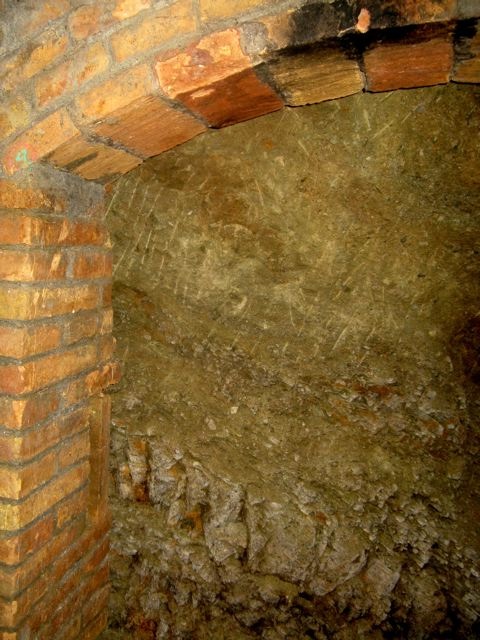
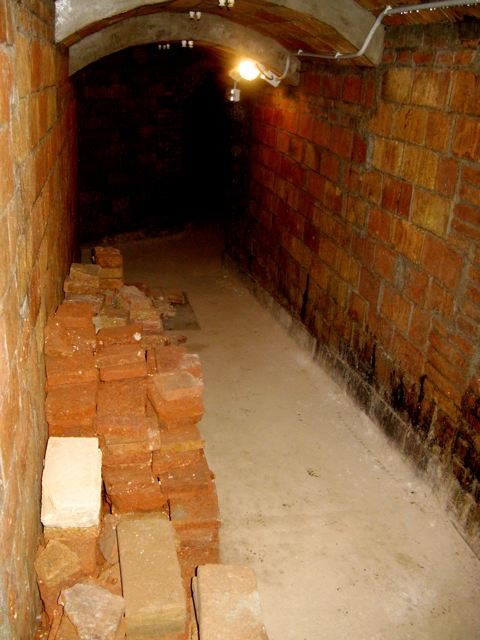
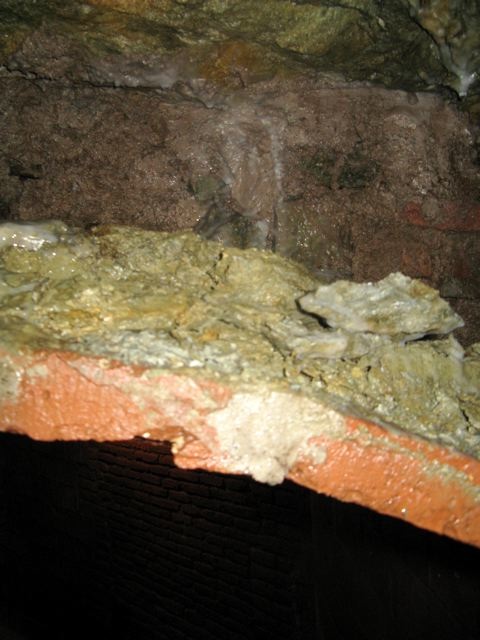
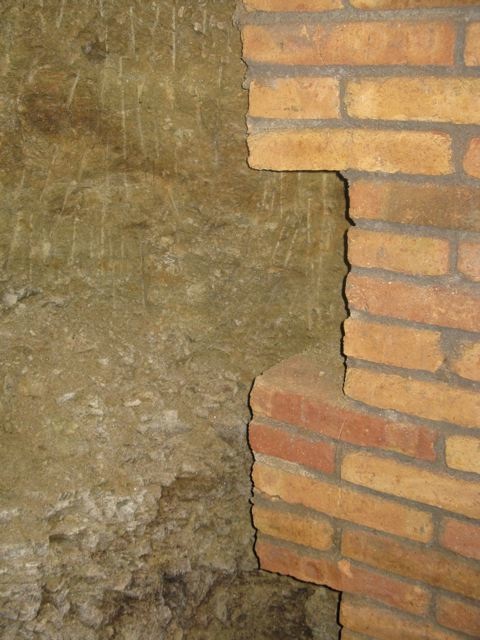
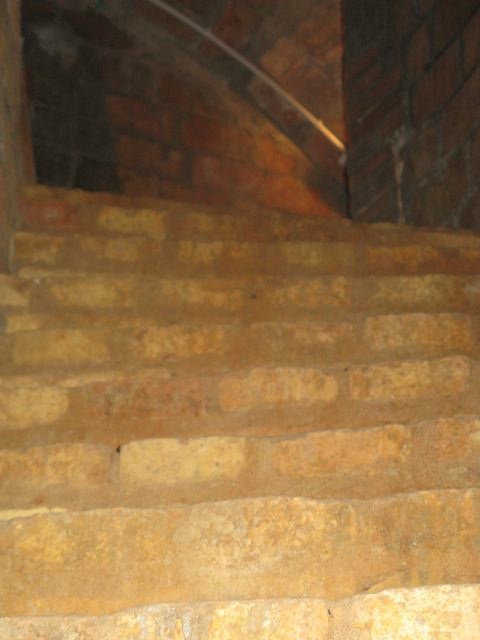
The smell and temperature as we descended the 12 meters of steps was indescribable, like stepping through an energy field into times past. I tuned out our guide as the aroma and sensation of warm dampness, ancient bricks, vague quasi-memories triggered by following tactile sensations deeper, down another maze of steps, through another connecting tunnel. I could imagine having to hide there
as bombs blasted above, the ground quaking, people screaming, women and kids first …
The humidity and temperature of the shelters under Plaça Diamant makes it one of the best preserved. At the peak of the Guerra Civil about 200 people could descend the 12 meters to safety, however I was told many refused to used the shelters. “Life will never stop in this city, ” was their slogan. (“La vida no se paró nunca en esta ciudad”). One thing you can say of all Spaniards; they are passionate in their convictions.
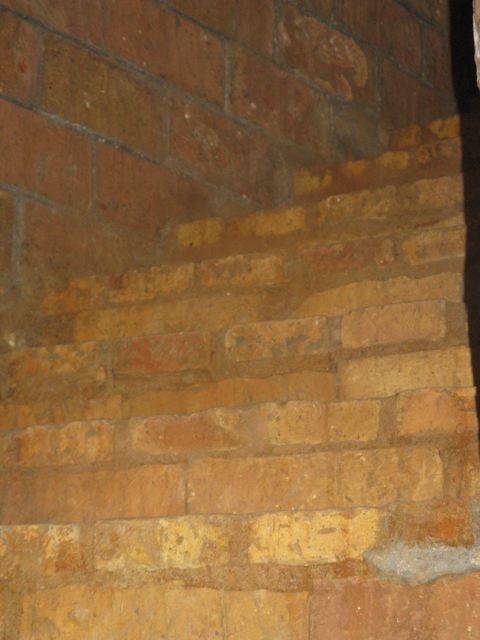
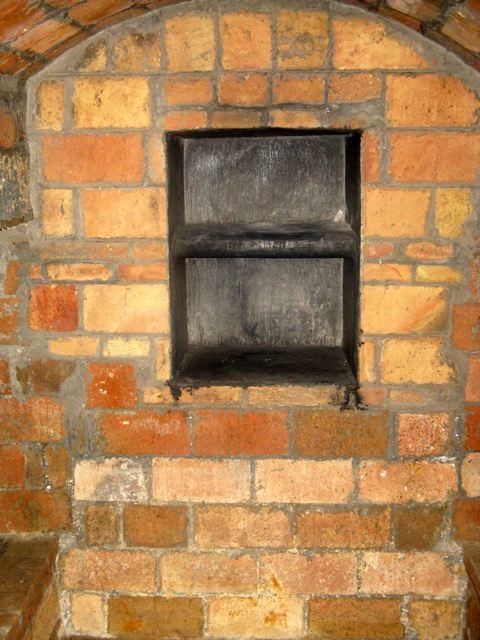
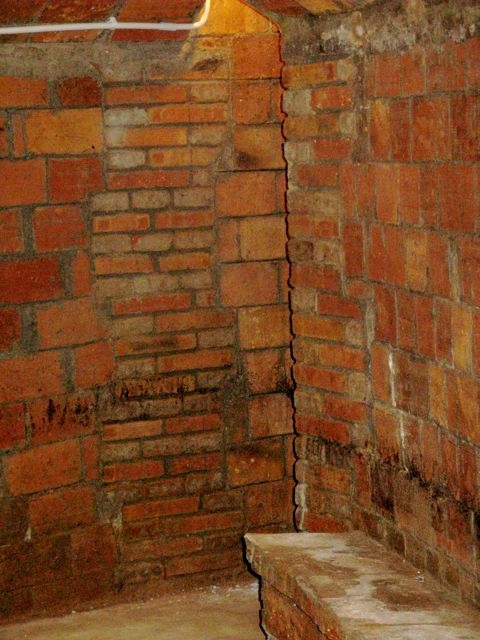
I caught up with the group again at an intertwining corridor intersection which enabled me to follow the tour for a bit, imagining scenarios as the sound of our soft spoken Càtalan tour guide explained – this cave for girls, that cave for boys, this cave for fuel … and how ingenious they were in illuminating the passageways and getting water down to those hiding below. She pointed out some rust colored relics that we would have otherwise passed without noticing – gauze clothing, journals, cans. cooking utensils, miscellaneous objects of survival from time past.
What’s curious to me is how life goes on above on the Plaça, kids running around, old people sitting on benches, an outdoor cafe, no indication whatsoever of the caves directly below.


Recent Comments